mrleicacom
patreon
Good morning!
Have you ever wished that you could be part of a mentor-style group where you have the opportunity to share some of your work for constructive feedback? Patreons on the £5+(Patreon Pro or higher) tiers enjoy two 1-hour Zoom calls a month.
One session is a new photo critique session where you share 5-6 images and the rest of the group give their opinions, advise and praise (see full details below). We all mark your images and at the end tell you which we liked the best and why. It's a great way for all of us to learn, even if just in the audience.
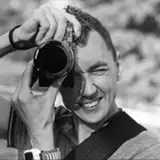
*I know i'm terrible at chopping hands off for example (see photo above!)
The second new monthly session is taking turns to talk about our photography to the group. What you enjoying shooting, what gear you use etc etc and that in turn helps inspire others to try different cameras, techniques or subject matter.
If you are stuck in a rut with your photography or keen to advance your skills I think both these sessions will be of interest. It's a really friendly group and it amazes me in that most people seem to be like how you see me on YouTube (in terms of personality). Passionate about photography, a bit quiet..(and then i'd like to think for myself; friendly, polite, patient, supportive and helpful).
I will send log-in invites close to the dates. The next 2 calls will be:
Wednesday, September 7th 2022, 20:00 GMT (Talking Photography)
Wednesday, September 21st 2022, 20:00 GMT (Photo Critique)
Hope to see you there!
Matt
--
Photo Critique Info:
1) Presenter - select 5-6 photos to share (I will give you presenting rights on Zoom)
2) Presenter - assigns a title to each photo to give some meaning and focus
3) Presenter - be ready to explain why you took the photo and how you took it
4) Audience - we need to grade the photo with a technical score + artistic score
5) Audience - be sensitive to others. We all have different experience levels
(Hard stop after 1 hour so please consider the time and others when giving feedback. Have a pen and paper handy to track your scores!)
>> I found the below info that you might find interesting with regards to critiquing
--
There is no better way to critique than with good intentions. This allows you to be objective at the same time be able to point out what can be improved in a given photo. It is true that the truth can hurt and that negative feedback is necessary at times, but everyone is in the position to receive feedback that will help them get better.
While it’s alright to comment on technique, be careful how to do it. Since some are more experienced than others, those on lower level skills can get lost in translation. If possible, try explaining why one should follow a certain technique because not knowing the how isn't too useful.
Some other technical information that you can provide critique on are:
Your personal need may come in the way of effective photo critique. Remember, when critiquing photos, it is not about you, but helping the person who requested for feedback.
Let’s be honest, we've done this, or at least, most of us have. Statements like “It’s nice”, “It’s beautiful”, “It works for me” are nice to hear, but may be too lacking. What if someone told you, “I don’t like this photo”, “It’s confusing”, or “It’s awful“? Give the shooter a direction he can take by giving insight to why a photo works or why it doesn't.